 Main mosque in Medan
Medan is where we arrived Sumatra by boat during Ramadan. Around the mosque was a whole fast breaking food market for the evening. But it was not so great to have this room (where I took this photo from) because they really go at it on the loudspeakers and not all have a good voice, good thing to consider when traveling in Indonesia.
 The place we stayed on Lake Toba.
The great tranquil lake welcomed us with this great peaceful place outside the touristic ghost town of Tuktuk.
 Our house by Lake Toba. It's a very old Batak house which was transported here and has two floors and a veranda right by the lake. It looks and feels like a boat, especially when you're inside because of all the heavy wood, angled walls and small windows.
 Every morning before sunrise I saw these fishermen putting their nets in the lake on their tiny single trunk canoes. They feel one with the lake.
 Toba volcano is one of those mega volcanoes, it's so huge it is impossible to see it as a single mountain. And in its crater there is this Lake Toba which is the largest volcanic lake on earth (100x30 kms), the biggest lake on earth on an island. When the volcano erupted 75.000 years ago it reduced earths population to only 10.000 people through a sudden ice age and acid rain. When one sees how big and how tranquil it is, it's hard to imagine it exploding. Luckily, that kind of thing happened only once in in the last 2 million years.
 Another view of Lake Toba with its warm waters and breath taking grandeur.
 A Batak house by Lake Toba. These houses are famous with their unique design and the roof is a prestige symbol and appears even in little low cost houses like this one.
 The main cathedral on Samosir island on Lake Toba. Batak people were not muslimized perhaps due to living up the mountain away from trade routes and vast agricultural lands. So later on they were christianized and they form one of the few Catholic tribes of Indonesia. This big church looks just like a batak house and the wood carvings on it depict local deities and spirits next to Jesus and Mary. Christianity here adopted much fromthe local animistic traditions.
 Batak tombs are a whole different world. They are the ancestors' abode after death so the whole Batak land is full of very well made and maintained, very interesting tombs. This one, which has a common concept, has a perfect replica of a Batak house over a pyramidal tomb.
 Another Batak tomb. These tombs are hardly christian and someof them like this depict the person who's resting there. The guy was perhaps a soldier.
 Some people explain these intereting roofs with the horns of the carabao or water bufallo, but more in Minangkabau then in Toba. The church on the back is another tomb depicting a church.
 A local deity or spirit protecting a Batak house. There is much magic mushroom around and the people were shamanic, of course.
 Stone circle on royal burial ground in Toba.
 Tomb of a Batak king.
 School bus. Hard to believe but true, these vans compete to take more people and there is always space for more. This one possibly has close to 80 on it (with 10-12 seats inside)
 A great thing about taking busses in Indonesia is the busking one hears. When the bus is stopping these people jump on with guitars and ukuleles and sing one song (usually very well) and collect their money and empty the space for the next busker. Indonesia is a very talented and musical country. I love it.
 Canyon near Bukittinggi. This is the land of Minangkabau people who are muslim and matriarchal. This canyon lies between Merapi and Singgalang volcanos.
 Minangkabau houses also have unique roofs. Minangkabau means "winner water buffalo" and it's said that the pointed ends of the roof reaching heavens represent the horns.
 Another Minangkabau house. They usually follow the same design with the little storage for rice in the front and are very ornamented.
 Many times Minangkabau houses are like gingerbread houses straight out of fairy tales.
 Majestic tree with a cute fairy in a graveyard. Although most of Sumatra's jungles are extinct, it is possible to come across such ageless trees in places like this.
 Playing the royal drum by a royal Minangkabau residence. Sometimes these huge drums have houses of their own.
 Although cultural things and natural oddities are more photographed, in fact most of the land is covered with these: rice and coconuts.
 Enjoying Padang food. Although it comes from the town of Padang on the south coast of Sumatra, Padang food is very popular and available all over indonesia. It is normally lots tastes from different foods, very spicy and oily and sometimes surprising.
 Lake Maninjau, another volcanic crater lake where we went hiding during the Id-ul-fitri holiday time. This one was easier to perceive as a crater because it was smaller, still warm and nice to swim with lots of great fish.
 Going up the Merapi volcano (Singglang volcano at the back). It took us 4-5 hours to come to the edge of the crater on the full moon night when the rainy season gave a 2 days break for us. It was really cold and energy consuming but well worth it.
 Victorious climbers on the Merapi peak just before sunrise. The air changes, the feeling changes, all tiredness disappear. After a little inhalation of the sulphur smokes from the active volcano we are tripping.
 Contamplating on being on another world on Merapi. Around us are many other volcanos, some still smoking, slowly receiving the first lights of the day.
 Always wanted to be on the moon and here I am on the ash covered center of the Merapi crater.
 Going down from Merapi to Bukittinggi facing Mount Singglalang, feeling very small.
 Then we went all the way up to the northern tip of Sumatra, to Banda Aceh where an earthquake had triggered the devastating Tsunami of 2005. The only thing left of the old city is the old mosque. The seaside where I took this photo is still covered in debris but the seaside line has changed dramatically and there is building work everywhere. Now there are these signs everywhere with an accompanying sign showing the direction to the nearest high ground. But from where this sign is, nearest high ground is a few kilometers away.
 Pulau Weh is a tiny island off the coast of Banda Aceh. It has great corals and very clear waters (visibility up to 40 meters). This Gapang beach is where I took my diving course and even on my first dives I saw such variety of fish, I'd be afraid to tell.
 One of our neighbors on Iboih, Pulau Weh. I couldn't beleive it, when we rented this little bungalow with its veranda right on the water, that the whole coral in front of us was full of all colors of fish and other sea creatures. They were also quite friendly and we snorkeled a lot and made friends. Later they inspired me to learn diving.
 Another neighbor, a gecko which looks like a leopard, looks stoned, and makes this really loud gek-koo sounds sometimes freaking us out.
 Our last stop in Sumatra was the orangutan reserve in Bukit Lawang. These are some of the orangutans (forest people) reintroduced to the wild after being captured from illegal traders. They seem to be doing pretty well and happy about the attention (and the bananas) they are receiving.
 But to reach the orangutans we had to cross this raging river on this tiny canoe which is tied to a cable overhead and pulled to eather side. This is because they cannot build a rope and let the orangutans out and the poachers in. Ok, I was scared a bit but I survived, even after the crazy tubing experience on the same river when I had my nearest-to-death experience.
 Abdul, one big male orangutan giving us a private show after his banana and milk meal.
 These guys really have the looks like they have some important things in their minds, even when they are peeling fruit.
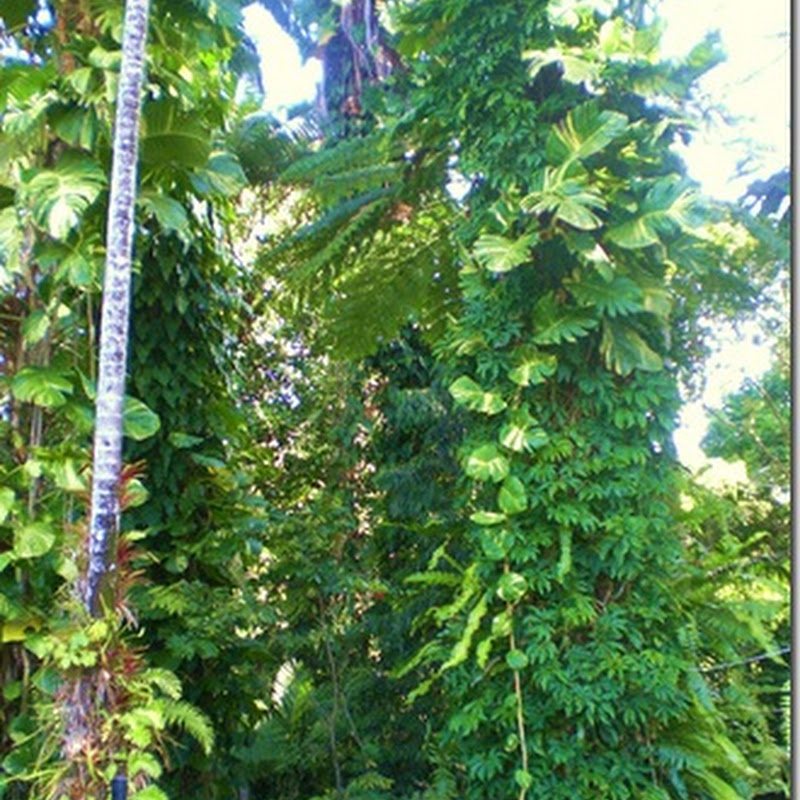
 Then we discovered a bat cave, a huge line of caves in fact. In in places where it opened we discovered vines and roots, just like those in Tarzan. I couldn't help but at least try the Indiana Jones moves on these roots, just before we leave this beautiful magical land of Sumatra.
________




 Posts
Posts


